English
 Czech
Czech
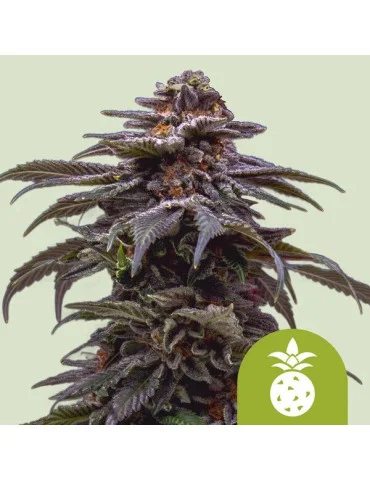
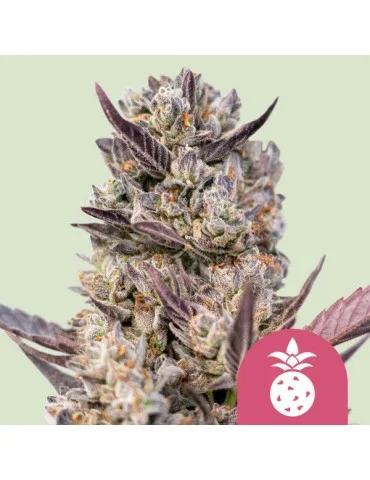
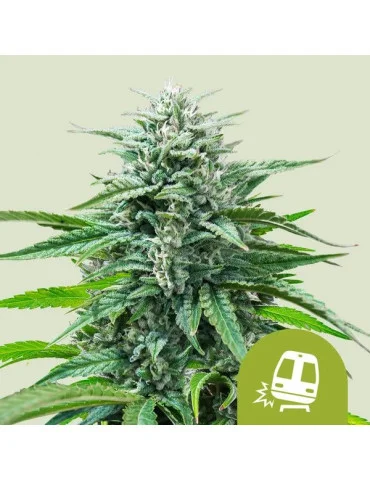

In this article we want to introduce you to the basic characteristics of cannabis varieties and how to choose the right one for the conditions where the plant would grow.
Let's start the journey through the world of cannabis genetics, which can seem like a labyrinth of endless possibilities, if you draw a tree as a family tree of cannabis genetics from the founding original varieties you will find that the tree is so large and varieties so many that it is perhaps impossible to remember each one and its characteristics. But at the heart of this tree lies the structure and order determined by genetics! Whether you're an enthusiastic beginner or an experienced gardener, join us on a voyage of discovery as we unravel the mystery and beauty of cannabis through its most basic building blocks - its genetics. You'll discover the basic Indica and Sativa strains, their Hybrids and Hybrid/Ruderal crosses called Autoflowers, or Autoflowering weed strains.
Cannabis Indica :
With its deep origins rooted in the wild hills and valleys of the Himalayas, it is a plant that has transferred its hardiness, compact structure and rich terpene profiles from the harsh conditions of its home environment into the hearts and gardens of growers around the world. Its journey from the mysterious mountain heights of Afghanistan, Pakistan and northern India to the laboratories and gardens of breeders around the world is an epic story of adaptation, survival and botanical excellence.
In the eighteenth century, this specific variety of cannabis was scientifically identified and named Cannabis Indica to distinguish it from its sister variety, Cannabis Sativa, which had been discovered and named earlier. Since these early days of discovery, Indica has been used not only for its strong fibres and seeds, but also for medicinal purposes where its relaxing, analgesic and sedative effects were highly valued.
The story of Cannabis Indica is one of adaptation and survival, where natural selection in harsh mountain conditions has created a plant with unique characteristics. Its compact structure and dense inflorescences are an adaptation to the short and cold growing season in the mountains, where every day of light and warmth is worth its weight in gold. This innate hardiness and ability to flower quickly have become key characteristics that growers around the world seek out and value.
Carrying the spirit of the Himalayas, Indica is not only a plant with deep roots in history and culture, but also a symbol of constant innovation and research in the field of cannabis genetics. Its story continues as new hybrid varieties with an Indian genetic base become a bridge between ancient wisdom and contemporary applications in medicine and agriculture. Indica, like the mountains from which it comes, stands firm, unwavering, a reminder of the power, peace and infinite potential of nature.
Cannabis Indica intricately ties its growth and flowering patterns to the rhythms of light and darkness, a phenomenon known as photoperiod dependency. Unlike its perennially growing counterparts, Indica begins its flowering stage under a strict regimen of equal parts light and dark—12 hours of each. This photoperiodic trigger is crucial for the plant’s transition from vegetative growth to the blooming phase, signaling it to start producing flowers only when the light cycle reaches this balanced duration.
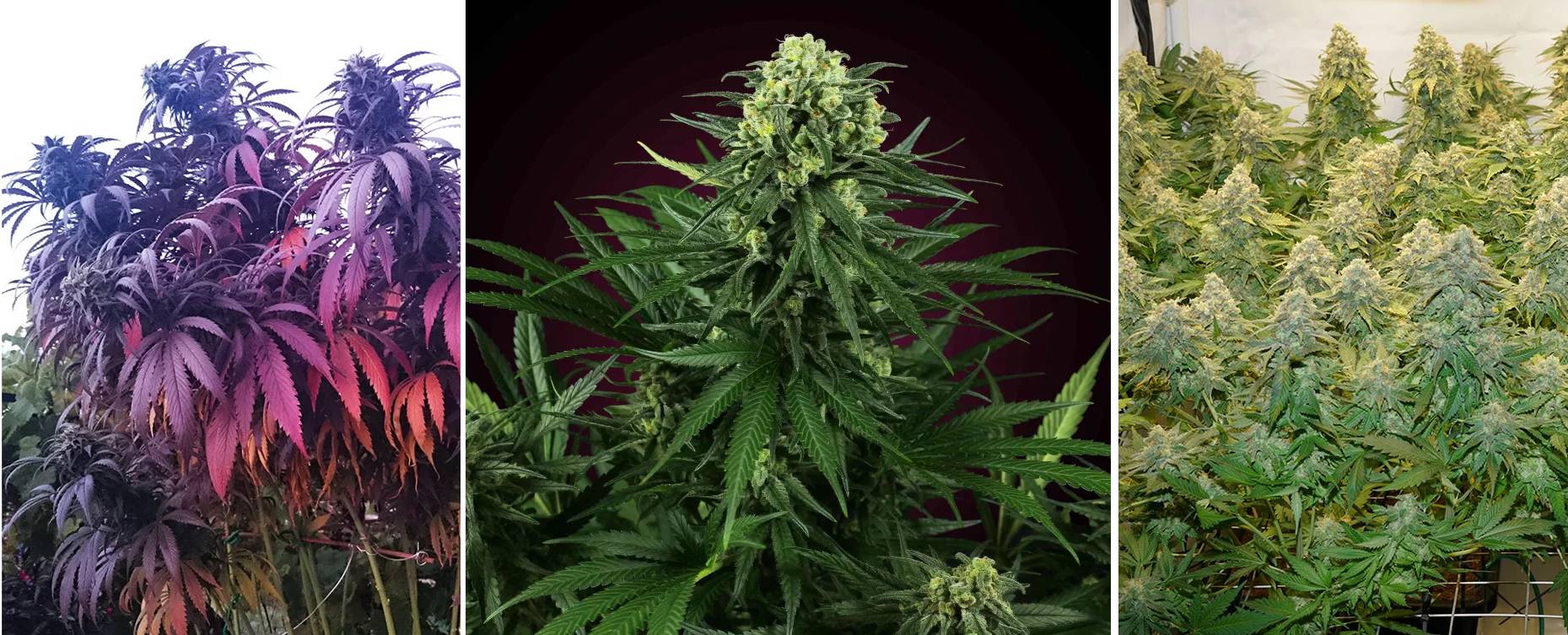
Cannabis Sativa :
With its long, slender leaves and tall, stout stems, it is a plant that has spread around the world through its age-old journey from the bright and warm climates of equatorial regions such as East Asia, Africa, Central and South America. Its history goes back thousands of years, when it was used not only for its fibres but also as a medicinal plant and a source of psychoactive substances. Sativa, in contrast to Indica, is known for its uplifting and energizing effects, reflecting its origins in warm, sunny climates.
Carl Linnaeus, the Swedish botanist who first classified and named the plant in 1753, originally identified it as a single species of cannabis. Linnaeus' view of Cannabis as a monotypic genus, that is, a genus containing only a single species, has changed over the years due to ongoing research and discoveries that have revealed the diversity and complexity of cannabis genetics.
Sativa, adapted to long growing seasons and intense sunlight, has a long history of use in the textile industry, rope production and as a source of nutritious seeds. Its ability to grow in many different environments and climates has made it popular not only with traditional growers but also with modern farmers and breeders looking for new genetic combinations.
One of the most interesting characteristics of Sativa is its ability to adapt and diversify, which has led to the development of countless varieties with different flavour, aroma and effect characteristics. Sativa, with its wide range of uses from medicinal to recreational, has witnessed not only historical but also contemporary innovation in the cannabis industry.
Cannabis Sativa, known for its distinctive growth traits, also exhibits a fascinating relationship with light cycles, crucial for its developmental stages. Unlike Cannabis Indica, which strictly requires 12 hours of light and 12 hours of darkness to initiate flowering, Sativa strains are less rigid in their photoperiod requirements but still respond profoundly to changes in light duration.
This adaptability allows Sativa to flourish in various geographical locations, adapting its flowering phase to longer summer days, particularly in high latitude regions. The plant's ability to modulate its growth and flowering in response to the light environment not only highlights its evolutionary prowess but also offers valuable insights into how light manipulation can optimize yield and flowering times. Understanding Sativa's photoperiod sensitivity helps growers tailor their cultivation techniques to harness the plant’s full potential.
Cannabis Hybrids :
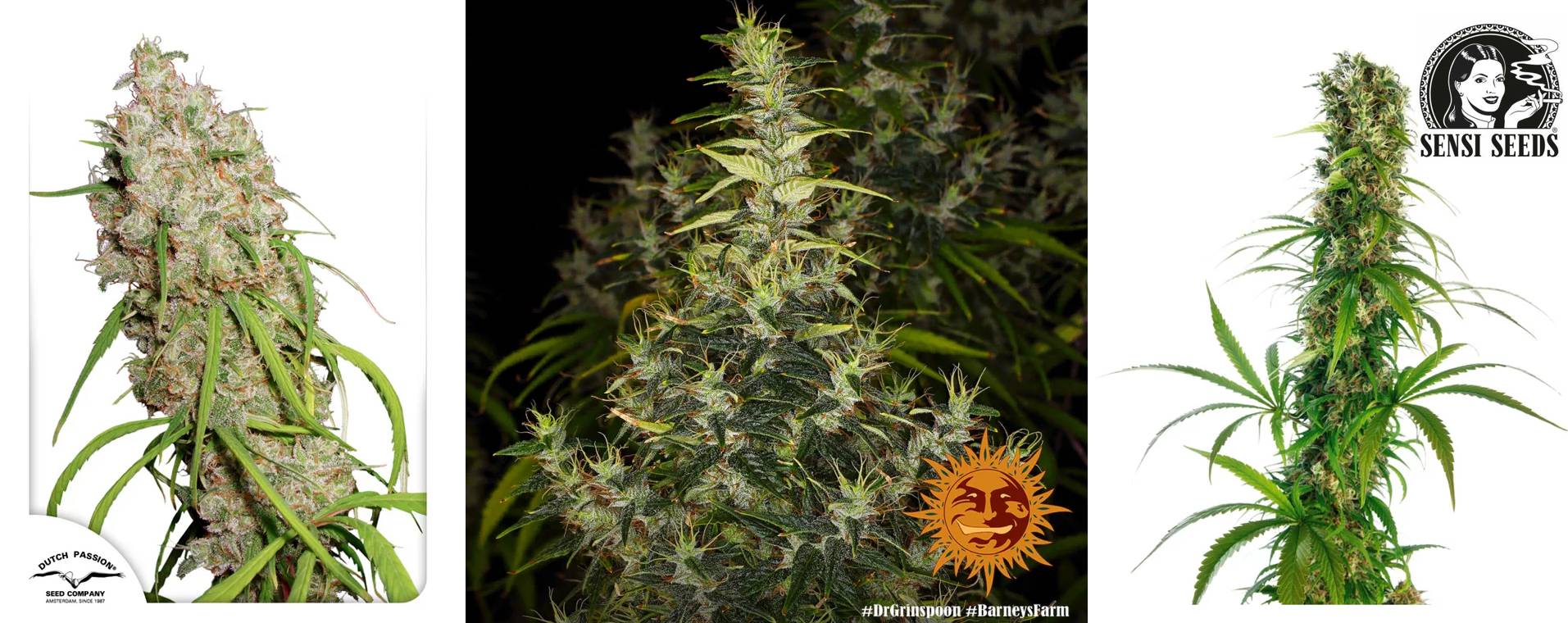
Hybrids between different species and varieties of Cannabis sativa and Cannabis indica began to gain prominence in the 1960s and 1970s, especially with the rise of cannabis culture in North America and Europe. This trend was driven by a desire to develop varieties that combined the best characteristics of both species: the hardiness and rapid growth of indicas with the uplifting effects and high yields of sativas. Hybrids have thus offered growers new opportunities to achieve higher THC contents, resistance to pests and diseases, better adaptability to different growing conditions and a more varied range of aromas and flavours.
The interesting thing about cannabis hybrids is that they have revolutionised the medicinal use of cannabis. Specialised hybrids with a precisely balanced ratio of THC and CBD (cannabidiol) have been developed specifically for the treatment of various medical conditions such as chronic pain, epilepsy, multiple sclerosis and many others. Research and breeding of these specialized varieties have brought cannabis back into the spotlight as a serious medicinal plant after decades of stigma and prohibition.
Hybrids are designed to meet the specific needs and preferences of growers and users. For example, they can offer a unique combination of strong and relaxing effects, short flowering time, increased resistance to diseases and pests, while retaining specific terpene profiles and the potential for high yields. As a result, hybrids have become a popular choice for medical patients seeking relief from specific symptoms, as well as for recreational users looking to enjoy specific effects.
One of the pioneers in the development of cannabis hybrids was American breeder and activist David Watson, also known as 'Sam the Skunkman'. After moving to the Netherlands in the 1980s, he brought with him the seeds of Skunk #1, which became the basis for many other hybrids. Skunk #1 was one of the first successful stabilized hybrids, combining high yield, strong effect and short flowering time to define the future direction of cannabis breeding.
Interestingly, it is thanks to experiments with hybridization that varieties have been created that are able to flower automatically, the so-called autoflowering varieties. These autoflowering hybrids, combining the genetics of Cannabis Ruderalis with Indica or Sativa, automatically switch to the flowering phase regardless of the length of light, allowing growers to harvest more crops throughout the year and simplifying cultivation in challenging environments.
Cannabis hybrids, skillfully combining traits from both Cannabis Sativa and Cannabis Indica, present a unique photoperiodic profile that is as diverse as their genetic makeup. These hybrids inherit varying sensitivities to light cycles, reflecting the distinct photoperiod requirements of their parent strains. The balance of Sativa and Indica genetics in a hybrid can significantly influence how the plant responds to light, resulting in a spectrum of flowering triggers.
Hybrids with a dominant Sativa lineage might prefer longer light periods before transitioning to flowering, mirroring the light-loving nature of their Sativa ancestors. Conversely, those leaning towards Indica genetics might initiate flowering under shorter light conditions, akin to the photoperiodic preferences of pure Indica strains. This genetic interplay allows hybrids to be highly adaptable and versatile, thriving in a range of environmental conditions and meeting diverse cultivation needs.
Understanding the specific light requirements of a hybrid is crucial for cultivators aiming to maximize the plant’s potential. By fine-tuning light schedules to match the hybrid's photoperiodic needs, growers can optimize flowering times and enhance yield quality.
Autoflowering cannabis varieties :
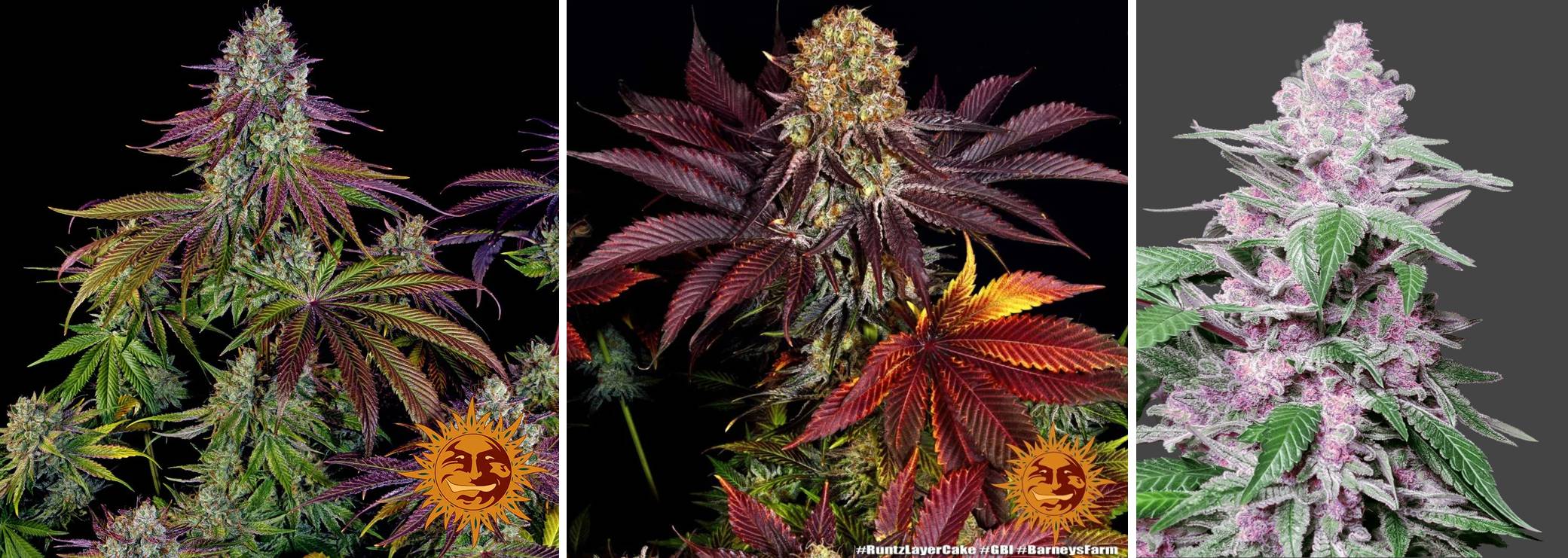
are a revolutionary contribution to cannabis cultivation that allows plants to flower automatically regardless of the amount of daylight. A key part of their genetics is Cannabis Ruderalis, a wild cannabis species native to northern Europe, Russia and neighbouring countries, where it has adapted to extreme climatic conditions with short summers.
Cannabis Ruderalis is renowned for its ability to flower automatically after a few weeks of growth, regardless of the photoperiod, which distinguishes it from the photoperiodic species Indica and Sativa, which require a specific length of daylight to move into the flowering phase. It is this characteristic that has been used in breeding to produce autoflowering varieties that combine the robustness and low requirements of Ruderalis with the high yield and potency of Indica or Sativa varieties.
The history of the development of autoflowering varieties dates back to the 1980s, when the first attempts were made to cross Ruderalis with popular photoperiodic varieties. The breakthrough came in 1990 when the Lowryder variety was introduced by the breeders Joint Doctor and his team. Lowryder was the first commercially successful autoflowering hybrid that effectively combined the speed, low growth and autoflowering of Ruderalis with the high quality flowers of Indica/Sativa varieties.
Interesting thing about autoflowering varieties is that their Ruderalis genetics make them less sensitive to changes in lighting and they can grow and flower in a wide variety of conditions with continuous 18 to 24 hour lighting, making them ideal for beginners and growers with limited space.
Another fascinating aspect of autoflowering varieties is their speed. From germination to harvest, autoflowering varieties can take as little as 10 to 12 weeks, allowing growers to harvest several crops in one year, even in less favourable climates.
Today there are many high-quality autoflowering varieties that offer a wide range of terpene profiles, effects and yields, so that everyone can find their favourite regardless of growing experience or available space. The development of these varieties represents an important step towards democratising cannabis cultivation, allowing a wider range of people to enjoy growing their own.
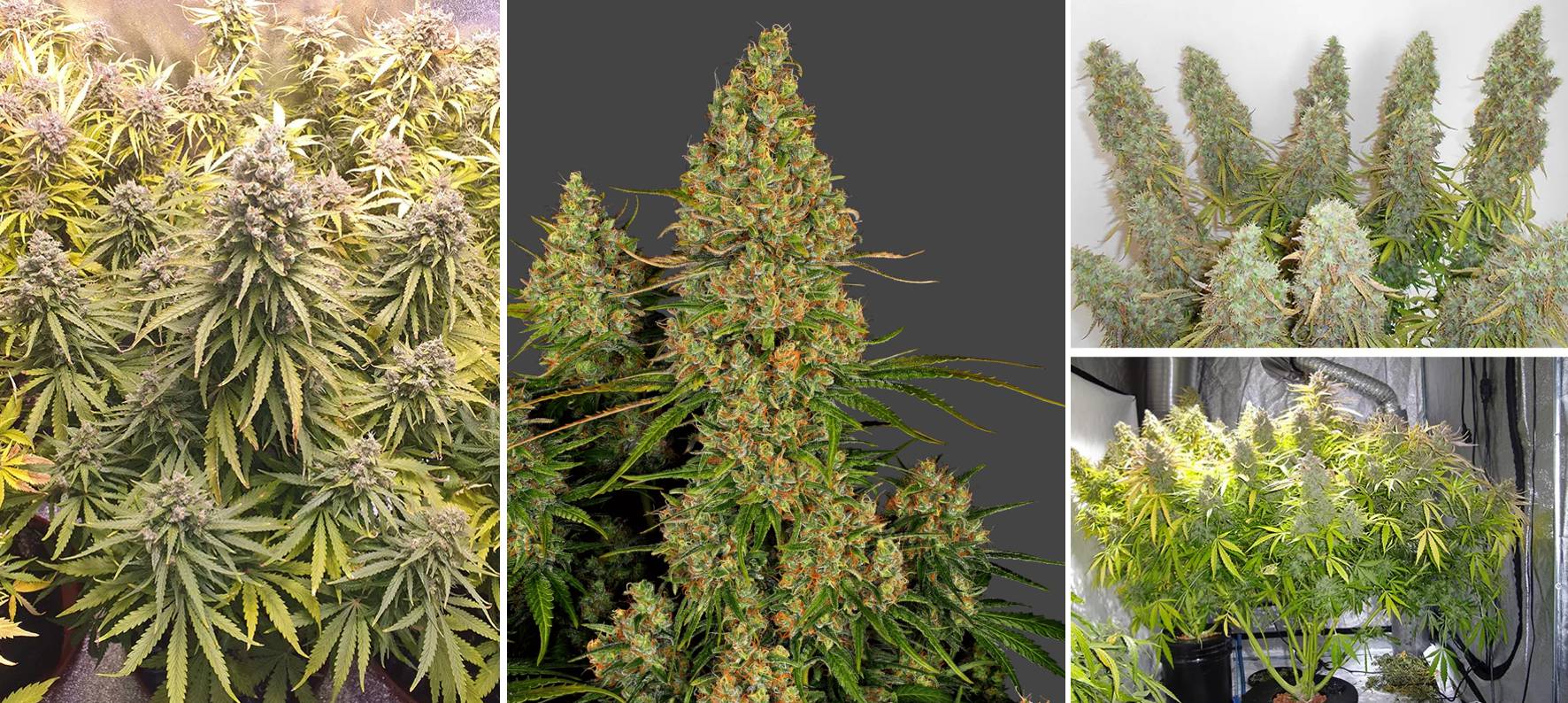
In our product range, as well as in our product filtering system, you will find the categories Indica, Hybrid and Sativa. These categories include not only pure representatives like 100% Indica or 100% Sativa, but also hybrid varieties. Hybrids in our range often tend to lean towards either Indica or Sativa, reflecting the different levels of genetic characteristics of the two groups. The Hybrid category specifically represents varieties that have a more or less balanced Indica vs. Sativa ratio.