
 English
 Czech
Czech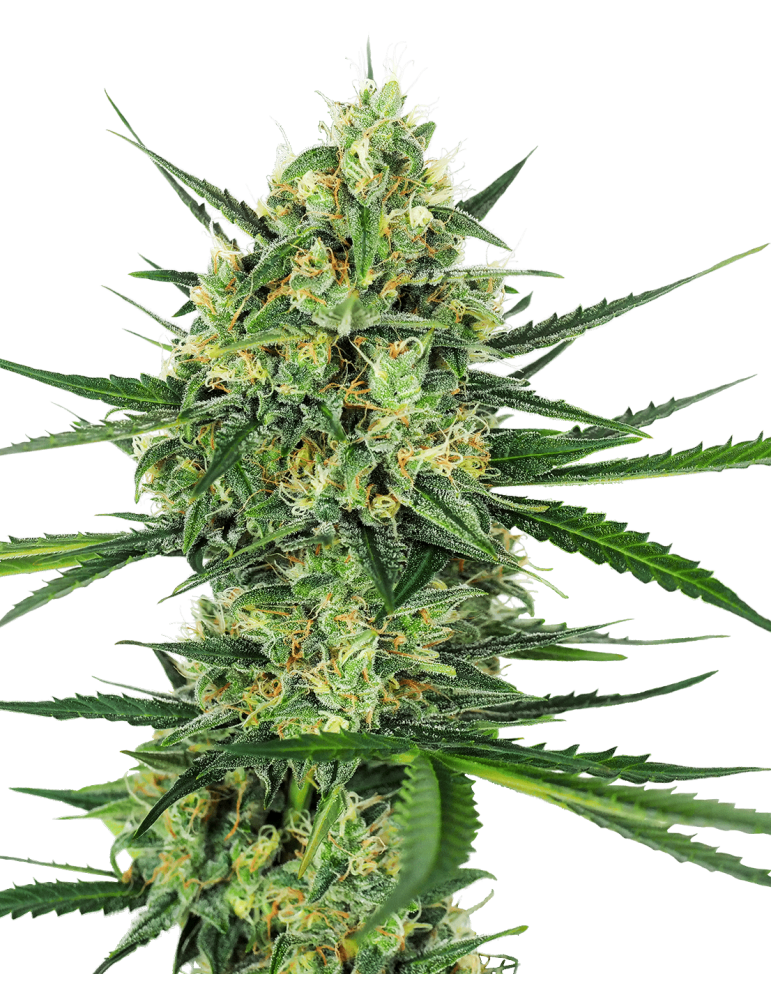



|
We use cookies to ensure proper website functionality, measure traffic, and personalize content. More information You can adjust your preferences at any time. |
Accept all cookies Personalize |
| Accept selected cookies |
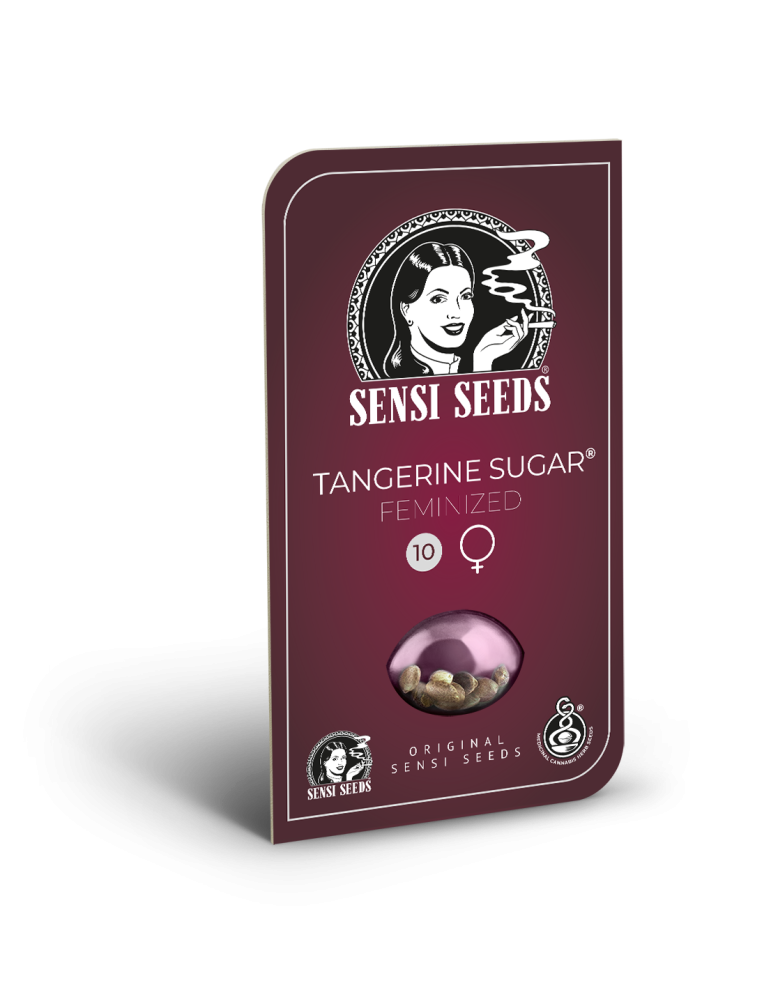
Sensi Seeds keeps working hard and keeps producing new varieties for the sweet tooth. The cannabis scene is full of eager enthusiasts eager to experience new varieties and the aromas associated with them. Another such venture is Tangerine Sugar. The sativa dominant (70%) line has welcomed a new member to the Sensi Seeds collection, Tangerine Sugar. The energetic strain is infused with the exotic sweetness of tangerine, pineapple and grapefruit. Gene selection was made from a rich collection of varieties, so we can look forward to a previously unrecognized sativa with an exotic profile mined from skunk heritage.
 Secured customer account. The security of your data is assured.
 Many delivery options More than 9000 collection points, 3500 Boxes and several delivery options to addresses in the Czech
 Discreet packaging of shipments. We pack organically and discreetly.
Genetics: California Indica x Skunk#1 x Sensi Skunk
Plant morphology:
Tangerine Sugar from Sensi Seeds will attracked to fans of the sativa skunk line. Next to the legendary classics like Euforia or Orange Bud, there will be another and this time a hellishly fruity beauty. This clear sativa superiority is noticeable in appearance, morphology and terpene profile. The structure of the plant tends to sativa and grows to a height of 120 -140 cm in controlled conditions. In uncontrolled outdoor conditions it can reach 2m. The variety stretches upwards rather than sideways and is therefore slender as are the blades of its foliage. The spacing between the vegetation tiers is medium and allows for better air circulation. The average flowering time is between 63-70 days. The variety thrives best in warm climates. A number of cultivation techniques can be used to cultivate it (SOG, ScROG, LST,...).
The refreshing essence of freshly peeled tangerines carries over notes of tangy grapefruit and pineapple. This tangy blend of tropical fruits is complemented by a small dash (shot :)) of lime mojito. All this parade completes the fruity cocktail of exotic flavours. Some might argue if all those fruit varieties aren't really enough already. We know with absolute certainty that it isn't, and that's why we're happy to add our blessing in favour of Tangerine Sugar. There are simply never enough fruit varieties. The gene selection was done from a rich base of skunk varieties, so we can look forward to a previously unrecognized sativa with an exotic profile. The most commonly represented terpenes are: caryophyllene, humulene, myrcene, pinene.